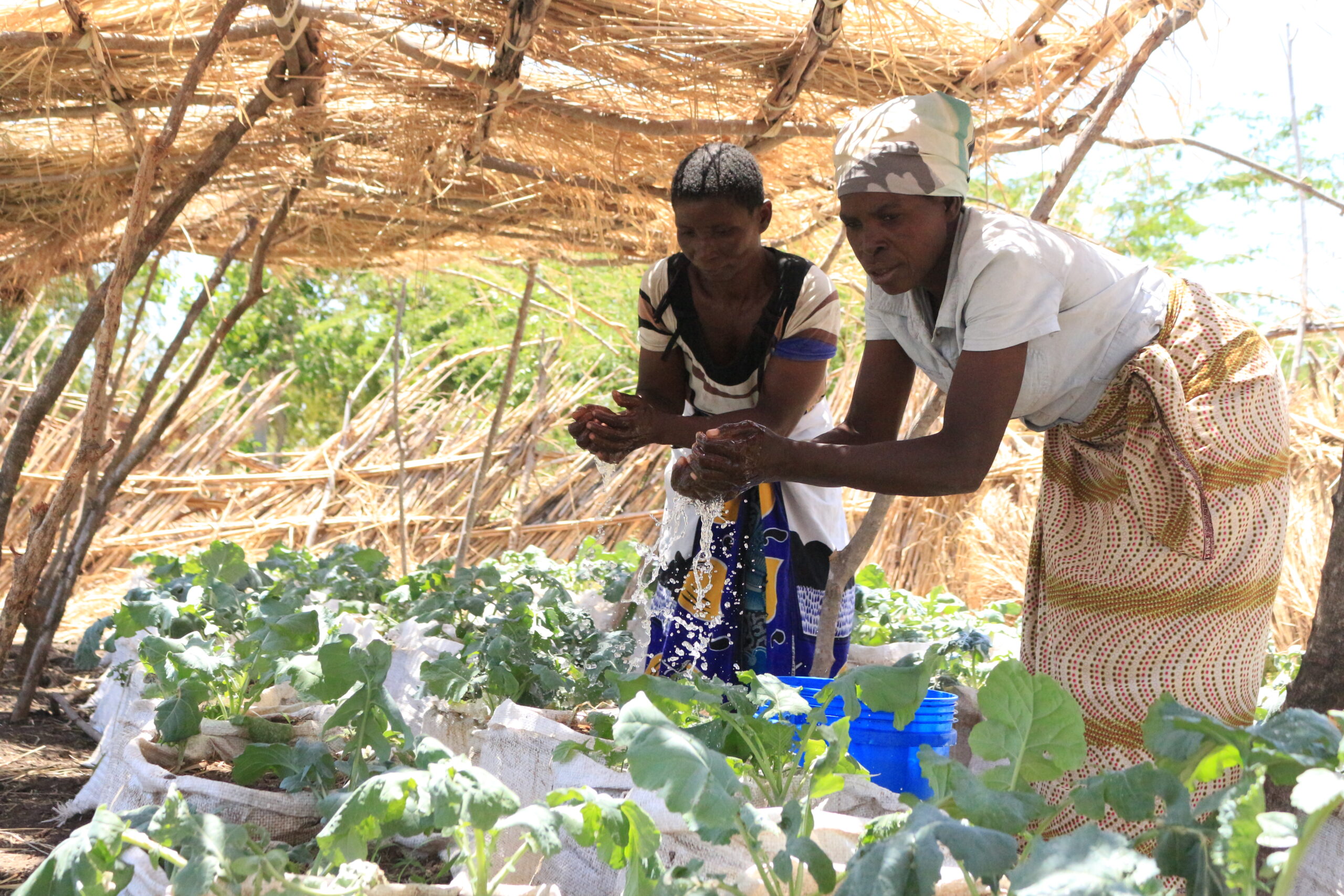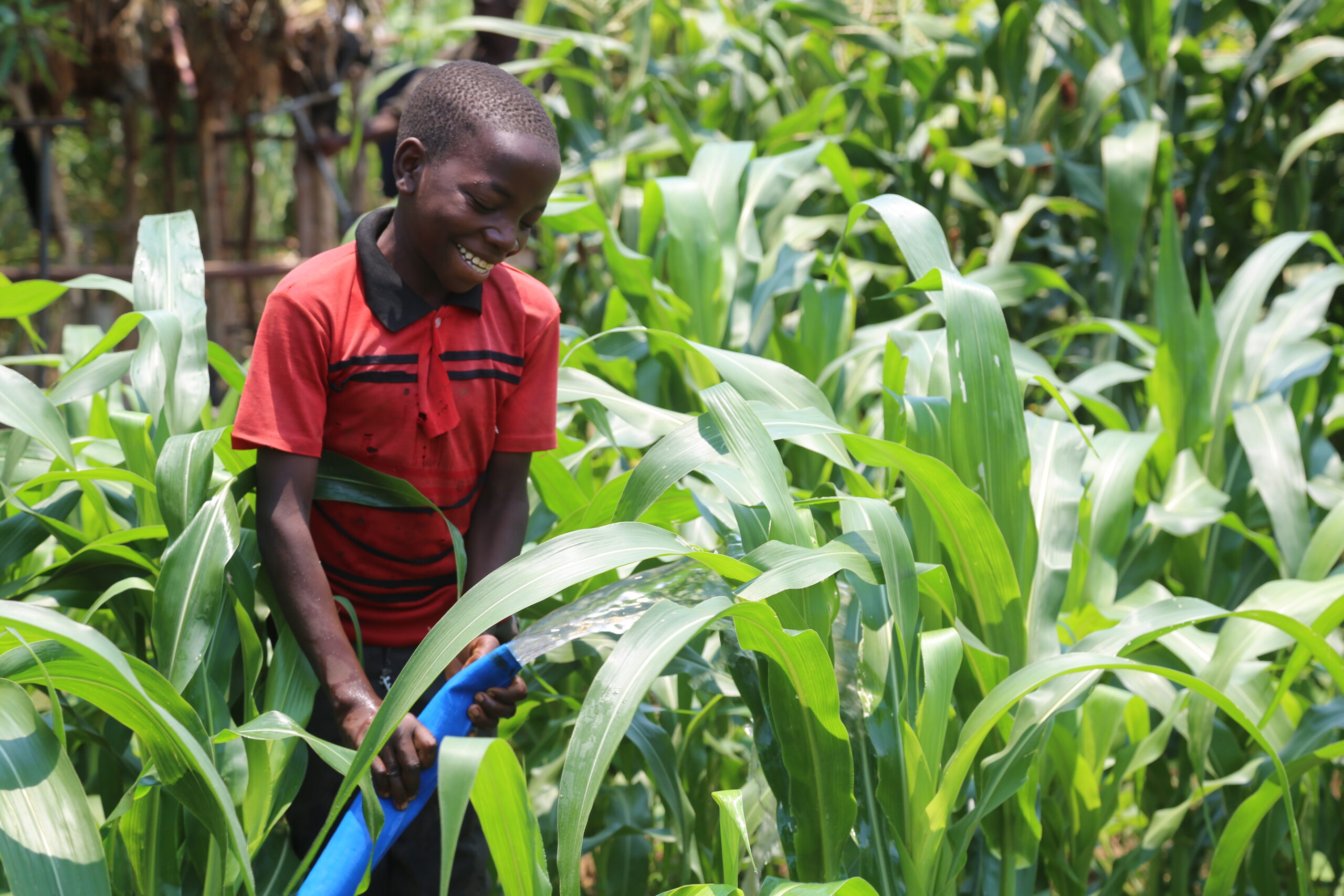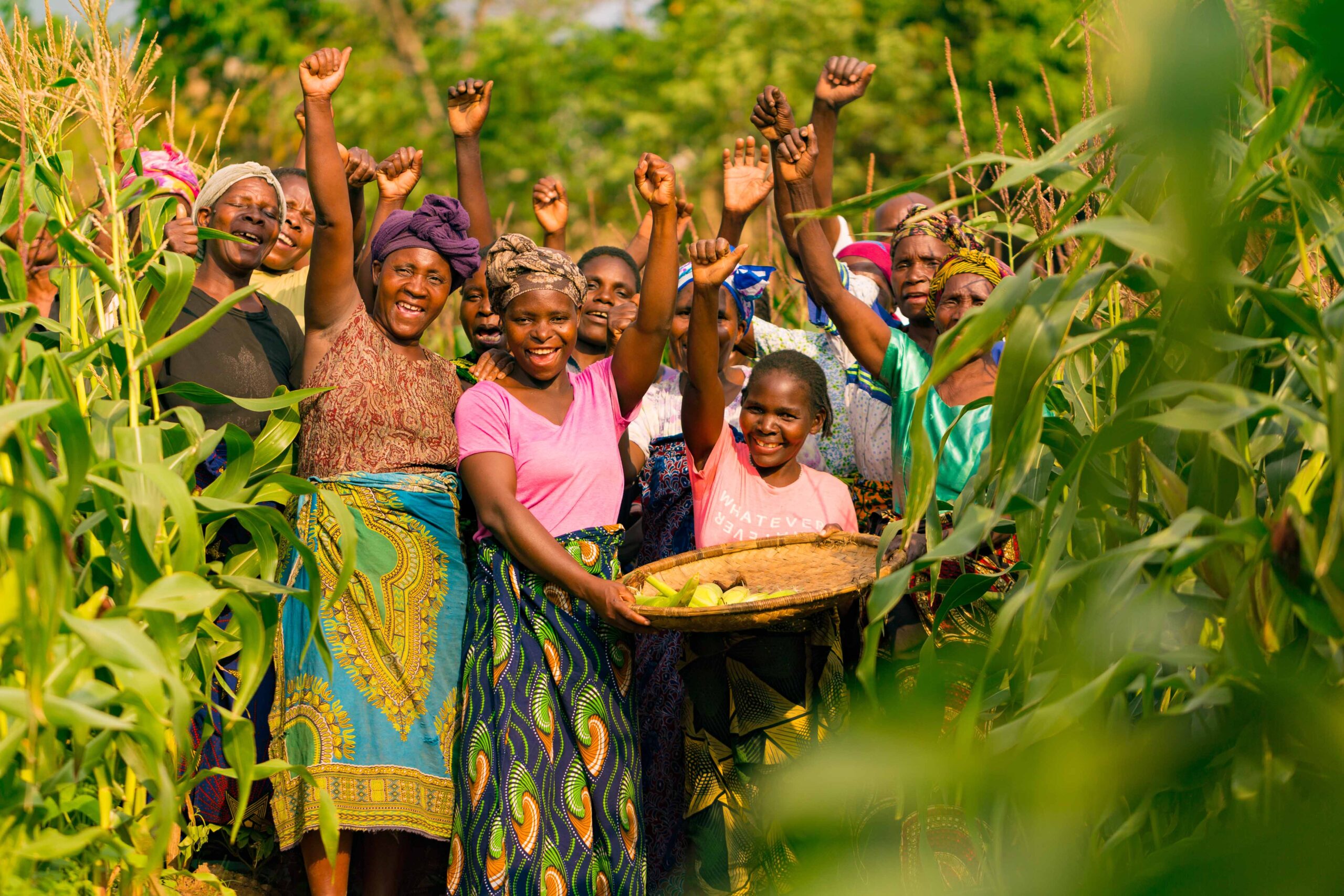
In Manyowe, a village perched on the cliffs overlooking the Mudi River, 28 women are rewriting the narrative of climate survival in Malawi.
Faced with the devastating unpredictability of an El Niño-driven climate in 2016, they refused to accept hunger as an inevitability. Instead, they built their own solution, a lifeline of water and green, thriving crops that now feed their families and a fast-growing city of Blantyre, home for nearly 3 million people.
For Iness Banda, this effort is personal. She vividly remembers the 2016 El Nino and the other years of hunger she survived with her five children, waiting for food aid that was never a guarantee.
“That single act of waiting… pushed me to join these women,” she says. “We had to find another way or keep suffering and waiting.”
Ingenuity as engineering
The women’s challenge was a feat of physics: how to move water from a river meandering far below their village to the thirsty maize, cabbage, and beans growing on the hillsides above.
With no massive budget or heavy machinery, they turned to a blend of ancestral knowledge and new techniques.
With the guidance of Eunice M’dambalira, a government extension worker and trained engineer, they devised a low-cost, high-impact system to harness the Mudi River.
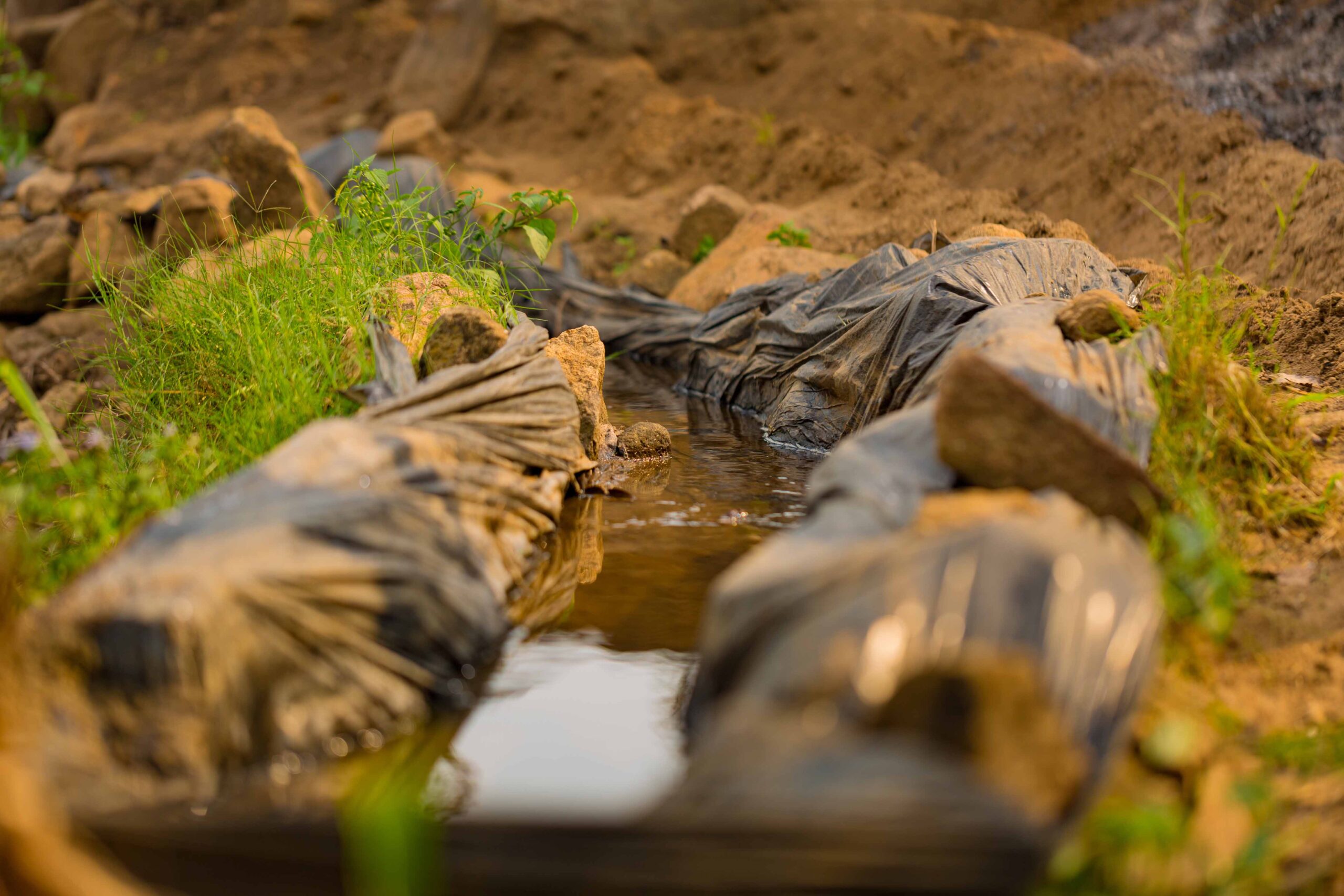
Using cement and stones, they constructed an 8-meter-deep temporary dam, creating a basin to capture river water before gravity pulls it into their custom-built channel, which is a work of wonder.
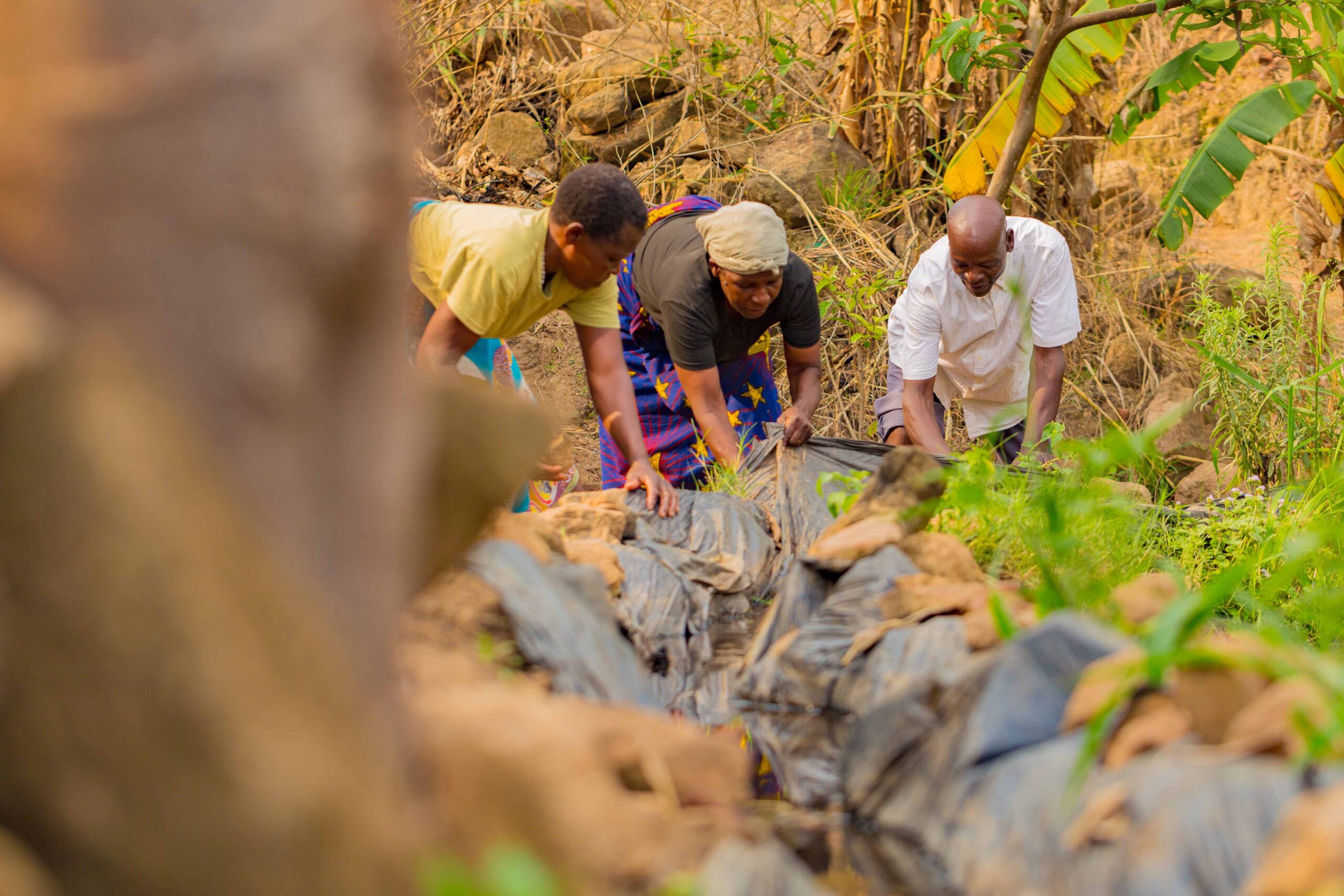
Using trees, rocks, dry grass, iron sheets and plastic sheeting, they created a huge tunnel that transfers water from the dam onto its long, meandering path to the 3 hectares worth of gardens growing different crops uphill.
It is a fragile, brilliant structure. “The main outlet has eight tree poles stuck between rocks, crossed with other lines of trees, and sealed with plastic paper,” explains Eliza.
At the end of every season, they dismantle it to safeguard it from heavy floodwaters, then rebuild it when the dry spell hits.
Today, every member of the group is an engineer. They take turns troubleshooting and making basic repairs to keep the system running.
A model for collective resilience
The achievement is both agricultural and social. Village Headwoman Mwandambe, recognising the power of their initiative, provided essential land-sharing agreements that allowed the project to thrive, balancing the community’s seasonal farming needs with the group’s winter cropping.
“When we started working on the irrigation scheme, many people laughed at us. They said, right in our face, that we were getting mad; that there was no way water could be moved up the village to irrigate crops” recalls Stella, gesturing toward a lush hillside of healthy crops. “But see what our madness has given us?”
Today, that “madness” yields a consistent harvest of green maize, beans, and vegetables for 28 farming households and another 200 at most which buys for sale at different local markets across Blantyre city. Hundreds of others equally buy for their own consumption.
By selling their produce, these women have transformed from beneficiaries into providers.
In a good farming season, each of the women earns a minimum of K200,000 from sales, on top of the beans and vegetables they take home for their own consumption.
They feed the local community and supply Blantyre’s urban market, creating secondary jobs for young people who now buy, cook, or resell the produce by the roadside.
With less than four years to the finish line of the United Nations Sustainable Development Goals (SDGs), Social Policy commentator Thokozani Mapemba says the women from Mwandambe represent the solutions that need to be fronted in policymaking.
“We need to ensure that national and district social policies are designed to meet and empower such groups of women who are already on the forefront developing solutions to end hunger and poverty and should be supported to unlock the potential available in our rural places”, said Mapemba, who added that ending all forms of hunger is central to addressing all development goals.
“A hungry family cannot send children to school, and similarly, a village grappling with hunger cannot show up to help build school blocks, maintain the road or do any form of development. They must find food first. So, this must be a critical policy conversation for Malawi.”
Looking towards the horizon
As Malawi faces the shadow of another El Niño in 2026, a harrowing echo of the 2016 crisis where 60 per cent of the population faced food insecurity, the women of Manyowe are not waiting for relief. They are preparing for resistance.
The fear of heavy rains damaging their painstakingly built infrastructure remains, but their determination is unwavering. They are working with extension officers to refine their maintenance strategy and seek additional material support to build permanent water-harvesting structures.
As world leaders meet in Antalya, Turkey for this year’s United Nations-led climate summit, the story of Mwandambe women proves that, with the right knowledge, communities can achieve a lot through local leadership. These women managed to adapt to climate change and built a system to defeat it.
This story was first published in the Nation Newspaper here.